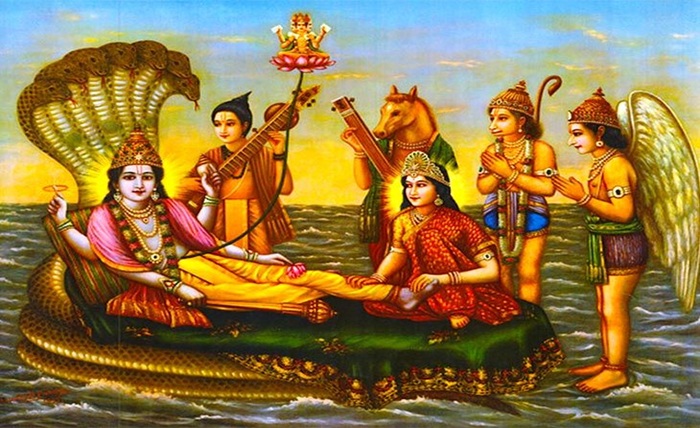
The question gyaras kab hai is very common among devotees who follow the Hindu calendar and observe Ekadashi vrat regularly. Gyaras, also known as Ekadashi, falls on the 11th day of both the Shukla Paksha and Krishna Paksha every month. This makes Ekadashi appear twice in a lunar month, and that is why people frequently search online asking gyaras kab hai to ensure they do not miss this sacred day. Ekadashi is dedicated to Lord Vishnu, and observing it is believed to cleanse sins, purify the mind, and bring spiritual growth. Understanding gyaras kab hai is important because the date changes every month according to the lunar calendar, not the Gregorian calendar.
Gyaras Kab Hai According to Hindu Calendar
To accurately know gyaras kab hai, one must follow the Hindu Panchang, which is based on lunar movements. Unlike fixed festival dates, Ekadashi shifts every month, which often creates confusion among devotees. This is the main reason people repeatedly ask gyaras kab hai before planning fasting or religious activities. Each month has two Ekadashi fasts, and both have different names and significance. Knowing gyaras kab hai through a reliable Panchang ensures correct observance of rituals, fasting times, and Parana (breaking the fast) timings.
Gyaras Kab Hai in Shukla Paksha and Krishna Paksha
When devotees ask gyaras kab hai, it is important to clarify whether they mean Shukla Paksha Ekadashi or Krishna Paksha Ekadashi. Shukla Paksha Gyaras falls during the waxing moon, while Krishna Paksha Gyaras occurs during the waning moon. Both are equally significant in Hindu traditions. Many people search gyaras kab hai specifically to observe the Ekadashi that aligns with their family customs or regional beliefs. Knowing which Paksha Ekadashi is approaching helps devotees prepare mentally and spiritually for fasting and prayers.
Gyaras Kab Hai and Its Religious Significance
The spiritual value behind asking gyaras kab hai lies in the belief that Ekadashi fasting pleases Lord Vishnu. According to Hindu scriptures, observing Ekadashi removes negative karma and helps one attain Moksha. This is why devotees are keen to know gyaras kab hai well in advance. Temples also conduct special pujas and bhajans on Ekadashi, making it important for followers to track gyaras kab hai so they can participate in these rituals. The day is considered highly auspicious for chanting Vishnu Sahasranama and reading sacred texts.
Gyaras Kab Hai: Fasting Rules and Rituals
Many devotees asking gyaras kab hai also want to know how to observe the vrat properly. Ekadashi fasting usually involves avoiding grains, rice, and certain vegetables. Some people observe a Nirjala fast, while others follow a Phalahar diet. Knowing gyaras kab hai helps devotees prepare food, plan their daily routine, and maintain spiritual discipline. Rituals typically include early morning baths, offering tulsi leaves to Lord Vishnu, and spending time in meditation. Observing these practices on the correct gyaras kab hai date is believed to bring maximum spiritual benefit.
Gyaras Kab Hai and Regional Traditions
The way Ekadashi is observed can vary by region, which makes the question gyaras kab hai even more relevant. In North India, Ekadashi is commonly called Gyaras, while in other regions it is referred to simply as Ekadashi. Despite regional differences, devotees everywhere search gyaras kab hai to ensure alignment with temple calendars and community observances. Some regions emphasize night-long bhajans, while others focus on charity and seva. Knowing gyaras kab hai allows devotees to follow their local traditions correctly.
Gyaras Kab Hai: Why Devotees Search Every Month
The recurring search for gyaras kab hai happens because Ekadashi dates are not fixed. Busy modern lifestyles make it easy to forget lunar dates, so devotees rely on calendars, apps, and online searches to know gyaras kab hai. Missing Ekadashi is considered spiritually unfortunate by many followers, which further increases the importance of staying updated. Monthly reminders about gyaras kab hai help people stay connected to their faith even in a fast-paced world.
Gyaras Kab Hai and Its Connection to Lord Vishnu
Devotees asking gyaras kab hai are often motivated by their devotion to Lord Vishnu and his avatars like Krishna and Rama. Ekadashi is believed to be the most beloved day of Lord Vishnu, and fasting on gyaras kab hai strengthens the devotee’s bond with the divine. Many Vaishnav followers strictly observe both Ekadashis each month. Knowing gyaras kab hai ensures they can plan temple visits, special pujas, and spiritual readings dedicated to Vishnu.
Gyaras Kab Hai in Modern Times
In today’s digital era, the question gyaras kab hai is commonly searched on smartphones and computers. Online Panchangs, temple websites, and social media pages regularly update Ekadashi dates. This easy access has made it simpler for devotees to know gyaras kab hai without relying solely on printed calendars. Despite modernization, the spiritual essence of Ekadashi remains unchanged, and devotees continue to respect and observe gyaras kab hai with devotion and discipline.
Gyaras Kab Hai and Parana Timing
Along with knowing gyaras kab hai, devotees also need accurate Parana timing, which is the correct time to break the fast. Parana is usually done on the next day, Dwadashi, after sunrise. Incorrect Parana timing can reduce the spiritual benefits of the vrat, which is why people carefully track gyaras kab hai and the following day’s schedule. Proper observance of both Ekadashi and Parana completes the vrat and brings peace and satisfaction to devotees.
Conclusion
In conclusion, understanding gyaras kab hai is essential for devotees who wish to follow Ekadashi vrat sincerely. From spiritual purification to devotion toward Lord Vishnu, Ekadashi holds immense importance in Hindu culture. The changing lunar dates make it necessary to regularly check gyaras kab hai using reliable sources. By observing Ekadashi on the correct day, devotees strengthen their faith, discipline, and spiritual connection. Whether for fasting, prayer, or personal growth, knowing gyaras kab hai ensures meaningful and correct observance of this sacred day.
FAQs
Q1. Gyaras kab hai every month?
The answer to gyaras kab hai depends on the Hindu lunar calendar, as Ekadashi dates change every month.
Q2. Why do people search gyaras kab hai so often?
People search gyaras kab hai frequently because Ekadashi does not fall on fixed Gregorian dates.
Q3. Is gyaras kab hai the same as Ekadashi?
Yes, gyaras kab hai refers to Ekadashi, the 11th lunar day of each Paksha.
Q4. How many times does gyaras kab hai occur in a month?
The question gyaras kab hai has two answers each month, as Ekadashi occurs twice—once in each Paksha.
Q5. How can I always know gyaras kab hai correctly?
To know gyaras kab hai accurately, follow a trusted Hindu Panchang, temple calendar, or reliable online source.