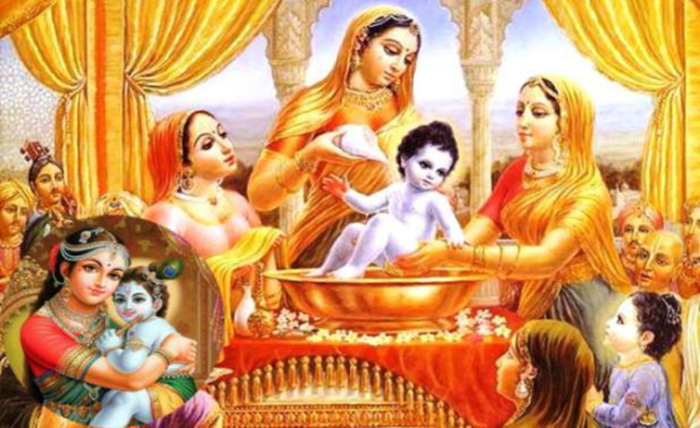
Gyaras is a highly revered fasting day in Hindu culture that holds deep spiritual meaning for devotees. The term gyaras refers to the eleventh day of the lunar fortnight, which comes twice every month according to the Hindu calendar. On this sacred day, devotees observe gyaras with devotion, prayer, and fasting to attain spiritual purification and divine blessings. Gyaras is primarily dedicated to Lord Vishnu and is believed to cleanse the mind, body, and soul when observed with sincerity.
The spiritual significance of gyaras lies in its connection with self-discipline and devotion. Observing gyaras helps devotees detach from material desires and focus on spiritual growth. Many believe that fasting on gyaras removes past sins and helps one progress on the path of dharma. The practice of gyaras encourages mindfulness, meditation, and remembrance of God throughout the day.
Historical Background and Origins
The history of gyaras is deeply rooted in ancient Hindu scriptures and traditions. References to gyaras can be found in sacred texts like the Padma Purana, Skanda Purana, and Vishnu Purana. These scriptures describe gyaras as a powerful vrata (vow) that brings immense spiritual merit to those who observe it faithfully. The origins of gyaras date back thousands of years, making it one of the oldest religious observances in Hinduism.
According to legend, gyaras was prescribed by Lord Vishnu himself as a means for devotees to attain liberation (moksha). Kings, sages, and common people alike practiced gyaras to please the divine and seek protection from suffering. Over time, gyaras became an integral part of Vaishnav traditions, spreading across different regions of India with local customs and variations.
Religious Importance in Hinduism
In Hinduism, gyaras holds exceptional religious importance and is considered more auspicious than many other fasting days. Devotees believe that observing gyaras with devotion pleases Lord Vishnu, who preserves the universe. Gyaras is also associated with Goddess Lakshmi, symbolizing prosperity and abundance. Worship performed on gyaras is said to yield results equal to thousands of other religious rituals.
The importance of gyaras extends beyond fasting; it emphasizes purity in thought, word, and action. Devotees avoid negative behavior and focus on chanting Vishnu mantras during gyaras. Temples dedicated to Vishnu and Krishna witness large gatherings on gyaras, highlighting its widespread religious relevance and enduring popularity among believers.
Rituals, Fasting Rules, and Puja Vidhi
The rituals of gyaras are simple yet deeply meaningful. On gyaras, devotees wake up early, take a ritual bath, and begin the day with prayers to Lord Vishnu. Fasting on gyaras may vary from person to person, ranging from complete abstinence from food and water to consuming fruits and milk. Regardless of the type, the intention behind gyaras fasting remains spiritual discipline.
Puja rituals on gyaras include offering tulsi leaves, flowers, fruits, and incense to Vishnu idols or pictures. Reciting Vishnu Sahasranama, Bhagavad Gita, or chanting “Om Namo Bhagavate Vasudevaya” is common during gyaras. Devotees spend the day in meditation, bhajan, and spiritual reading, ensuring that gyaras is observed with purity and devotion.
Types and Monthly Observances
There are several types of gyaras observed throughout the year, each with its own significance. Commonly known types include Putrada Gyaras, Mokshada Gyaras, Nirjala Gyaras, and Kamada Gyaras. Each gyaras occurs in a specific lunar month and is associated with unique spiritual benefits. Among them, Nirjala Gyaras is considered the most difficult and rewarding, as it involves fasting without water.
Monthly observance of gyaras helps devotees maintain regular spiritual discipline. By observing every gyaras, devotees strengthen their connection with Lord Vishnu and cultivate inner peace. Each gyaras serves as a reminder of faith, self-control, and the importance of devotion in daily life.
Health and Mental Benefits of Fasting
Beyond spiritual rewards, gyaras also offers health and mental benefits. Fasting on gyaras allows the digestive system to rest, aiding detoxification and improving metabolism. Many people find that regular gyaras fasting helps regulate eating habits and promotes mindful consumption. From a wellness perspective, gyaras aligns with modern concepts of intermittent fasting.
Mentally, gyaras encourages calmness, clarity, and emotional balance. The discipline of gyaras helps reduce stress and anxiety by shifting focus away from material concerns. Meditation and prayer during gyaras foster inner peace, making it beneficial for both spiritual seekers and those looking for mental well-being.
Modern Relevance and Cultural Practices
In today’s fast-paced world, gyaras continues to hold relevance for millions of devotees. Despite modern lifestyles, people still observe gyaras as a way to reconnect with tradition and spirituality. Technology has even enabled online satsangs and virtual temple darshan on gyaras, making it accessible to devotees worldwide.
Culturally, gyaras strengthens family bonds as members come together to pray and observe rituals. The values taught by gyaras—discipline, compassion, and devotion—remain timeless. Even younger generations are rediscovering gyaras as a meaningful practice that balances modern life with spiritual heritage.
Conclusion
Gyaras is far more than a fasting day; it is a profound spiritual practice that nurtures devotion, discipline, and inner transformation. By observing gyaras with sincerity, devotees seek divine grace, mental peace, and spiritual growth. The enduring significance of gyaras across centuries reflects its power to guide individuals toward a balanced and meaningful life rooted in faith and self-awareness.
FAQs
1. What is gyaras and why is it important?
Gyaras is the eleventh lunar day observed as a sacred fasting day dedicated to Lord Vishnu, believed to purify the soul.
2. How often does gyaras occur?
Gyaras occurs twice every month according to the Hindu lunar calendar, making it a regular spiritual observance.
3. Can everyone observe gyaras fasting?
Yes, gyaras can be observed by anyone, with fasting rules adjusted according to health and ability.
4. What food is allowed during gyaras?
During gyaras, devotees usually consume fruits, milk, nuts, or observe complete fasting based on tradition.
5. What are the benefits of observing gyaras?
Observing gyaras offers spiritual purification, mental peace, and health benefits through fasting and devotion.