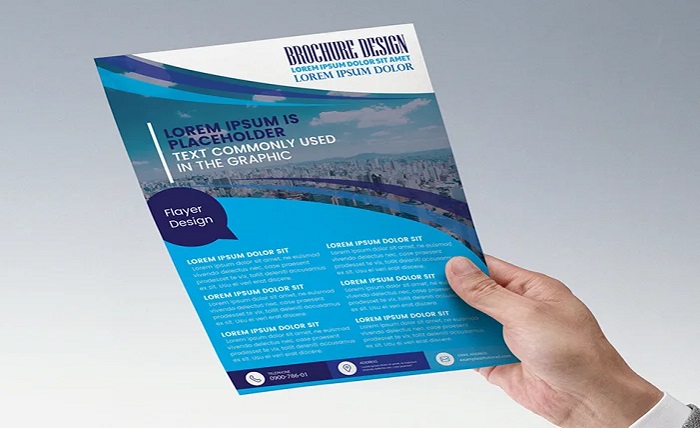
Learning how to design a poster graphic design gfxdigitational is one of the most valuable creative skills for beginners, marketers, students, and professional designers. Posters are powerful visual communication tools used for advertising events, promoting businesses, sharing information, and building brand awareness. A professionally designed poster can instantly capture attention and inspire action.
When exploring how to design a poster graphic design gfxdigitational, you must understand that great poster design combines creativity, structure, typography, color psychology, and visual hierarchy. Whether you are designing a movie poster, business advertisement, music event flyer, educational infographic, or social media poster, the same design principles apply.
In this complete guide on how to design a poster graphic design gfxdigitational, you will learn step-by-step techniques, tools, layout strategies, typography tips, and professional design secrets that can transform your poster from ordinary to eye-catching.
The Basics of How to Design a Poster Graphic Design GFXDigitational
Before mastering how to design a poster graphic design gfxdigitational, it is important to understand the purpose of poster design. Posters are visual marketing materials created to deliver a message quickly and effectively. Unlike long-form content, posters rely heavily on visual impact and concise communication.
The first step in how to design a poster graphic design gfxdigitational is identifying the objective of the poster. Ask yourself:
- What message should the poster communicate?
- Who is the target audience?
- What action should viewers take?
- Where will the poster be displayed?
A clear objective helps determine the design style, color scheme, typography, and image selection. For example, a concert poster may use vibrant colors and bold fonts, while a corporate event poster might require clean layouts and professional typography.
Another important aspect of how to design a poster graphic design gfxdigitational is understanding poster dimensions. Common poster sizes include:
- A4 Poster
- A3 Poster
- 24×36 inches
- Instagram portrait posters
- Digital web posters
Choosing the right size ensures the design remains readable and visually balanced.
Choosing the Right Layout for How to Design a Poster Graphic Design GFXDigitational
One of the most critical parts of how to design a poster graphic design gfxdigitational is creating a strong layout. A good layout organizes information clearly and guides viewers through the poster naturally.
Professional designers use visual hierarchy when learning how to design a poster graphic design gfxdigitational. Visual hierarchy means arranging elements according to importance. The viewer should notice the most important information first.
A basic poster layout usually includes:
- Headline
- Main visual/image
- Supporting text
- Call-to-action
- Logo or branding
When practicing how to design a poster graphic design gfxdigitational, use grid systems to align elements evenly. Grids create structure and improve readability.
Whitespace is another important design principle. Beginners often overcrowd posters with too many elements. In how to design a poster graphic design gfxdigitational, whitespace helps important content stand out and makes the design cleaner.
A balanced composition can dramatically improve poster effectiveness. Designers commonly use:
- Symmetrical layouts
- Asymmetrical layouts
- Rule of thirds
- Center-focused compositions
Experimenting with layouts is essential while learning how to design a poster graphic design gfxdigitational because layout directly affects viewer engagement.
Typography Techniques in How to Design a Poster Graphic Design GFXDigitational
Typography plays a major role in how to design a poster graphic design gfxdigitational because text must remain readable even from a distance. The wrong font choice can ruin an otherwise beautiful poster.
When studying how to design a poster graphic design gfxdigitational, choose fonts that match the poster theme. For example:
- Serif fonts work well for elegant and formal posters.
- Sans-serif fonts suit modern and minimal designs.
- Display fonts are ideal for artistic or entertainment posters.
A key rule in how to design a poster graphic design gfxdigitational is limiting font usage to two or three typefaces. Too many fonts make the design messy and unprofessional.
Typography hierarchy is equally important. Your poster should include:
- Large headline
- Medium subheading
- Smaller body text
Font spacing also matters in how to design a poster graphic design gfxdigitational. Proper kerning, line spacing, and alignment improve readability and visual appeal.
Designers often use bold typography to create emphasis. However, balance is necessary. Overusing bold text can reduce impact and clutter the layout.
Color contrast between text and background is another essential factor in how to design a poster graphic design gfxdigitational. High contrast ensures the message remains readable in both print and digital formats.
Color Psychology in How to Design a Poster Graphic Design GFXDigitational
Understanding color psychology is essential when learning how to design a poster graphic design gfxdigitational because colors influence emotions and audience reactions.
Different colors communicate different meanings:
- Red symbolizes energy and urgency.
- Blue represents trust and professionalism.
- Yellow conveys happiness and attention.
- Black suggests luxury and sophistication.
- Green reflects nature and growth.
Choosing the right color palette is a major step in how to design a poster graphic design gfxdigitational. Designers often use complementary colors, analogous colors, or monochromatic schemes to create harmony.
Contrast is extremely important in how to design a poster graphic design gfxdigitational. High contrast helps important elements stand out. For example, white text on a dark background creates strong visibility.
Consistency also matters. Limit your design to 2–4 main colors to maintain professionalism and avoid overwhelming viewers.
Gradient effects, overlays, and modern neon palettes are trending styles in how to design a poster graphic design gfxdigitational, especially for digital posters and social media graphics.
Testing your poster in both dark and bright environments can help ensure the colors remain effective across different screens and print materials.
Best Tools for How to Design a Poster Graphic Design GFXDigitational
Selecting the right software is a huge part of mastering how to design a poster graphic design gfxdigitational. Today, designers have access to many beginner-friendly and professional tools.
Popular tools include:
Adobe Photoshop
Photoshop is widely used for how to design a poster graphic design gfxdigitational because it offers advanced editing, effects, and photo manipulation features.
Adobe Illustrator
Illustrator is ideal for vector-based poster design. It provides scalable graphics without losing quality.
Canva
Canva is excellent for beginners learning how to design a poster graphic design gfxdigitational because it includes templates, drag-and-drop editing, and easy export options.
Figma
Figma is a collaborative design platform useful for digital poster creation and UI-focused designs.
CorelDRAW
CorelDRAW remains a popular choice among professional print designers.
While tools are important in how to design a poster graphic design gfxdigitational, creativity and design understanding matter more than software itself.
Beginners should focus on mastering:
- Layers
- Alignment tools
- Typography settings
- Color adjustments
- Export settings
The more familiar you become with these tools, the faster and more efficiently you can design professional posters.
Using Images and Graphics in How to Design a Poster Graphic Design GFXDigitational
Visual elements are the heart of how to design a poster graphic design gfxdigitational because they instantly attract viewer attention.
High-quality images improve professionalism and create emotional impact. Avoid blurry or low-resolution images because they reduce credibility.
When learning how to design a poster graphic design gfxdigitational, choose visuals that support the poster message. Every image should have a purpose.
Designers often use:
- Stock photos
- Illustrations
- Icons
- Abstract graphics
- 3D elements
- Textures
Image placement is crucial in how to design a poster graphic design gfxdigitational. The main visual should dominate the design without overpowering the text.
Using overlays and blending modes can create unique artistic effects. Many modern poster styles combine photography with digital manipulation techniques.
Cropping also matters in how to design a poster graphic design gfxdigitational. Tight cropping can create drama and focus, while wide compositions provide breathing space.
Always maintain image quality during export. For print posters, use high-resolution files at 300 DPI.
Professional Tips for How to Design a Poster Graphic Design GFXDigitational
To truly master how to design a poster graphic design gfxdigitational, you must think like a professional designer. Small details often separate amateur posters from professional work.
Here are some expert tips:
Keep It Simple
Simplicity improves communication in how to design a poster graphic design gfxdigitational. Avoid unnecessary design clutter.
Focus on One Main Message
Every poster should communicate one central idea clearly.
Use Strong Contrast
Contrast improves readability and visual impact.
Maintain Alignment
Proper alignment creates clean and organized designs.
Design for Distance
A poster should remain readable from several feet away.
Test Different Versions
Professionals create multiple variations before choosing the final design.
Use Consistent Branding
Brand colors, fonts, and logos should remain consistent.
Mockups are also useful in how to design a poster graphic design gfxdigitational because they help visualize how posters will appear in real-world environments.
Feedback is another important step. Showing your design to others can reveal layout problems or readability issues you may have missed.
Common Mistakes in How to Design a Poster Graphic Design GFXDigitational
Many beginners make avoidable mistakes while learning how to design a poster graphic design gfxdigitational. Understanding these mistakes can improve your designs faster.
Overcrowding the Poster
Too much information reduces readability and visual impact.
Poor Font Choices
Unreadable fonts damage communication.
Weak Color Contrast
Low contrast makes text difficult to read.
Lack of Hierarchy
Without hierarchy, viewers cannot identify important information quickly.
Low-Quality Images
Pixelated visuals reduce professionalism.
Ignoring Margins
Proper spacing is necessary for clean composition.
Using Too Many Effects
Overusing shadows, gradients, and filters can make posters look outdated.
One of the biggest lessons in how to design a poster graphic design gfxdigitational is understanding that effective design is about communication, not decoration.
Conclusion
Mastering how to design a poster graphic design gfxdigitational requires a combination of creativity, technical skills, and design strategy. Great posters communicate messages quickly, attract attention instantly, and leave a memorable impression on viewers.
From choosing layouts and typography to selecting colors and visuals, every element matters in how to design a poster graphic design gfxdigitational. Beginners should focus on design fundamentals before experimenting with advanced effects and artistic styles.
The key to success in how to design a poster graphic design gfxdigitational is practice. Study professional posters, experiment with different styles, and continuously improve your understanding of composition, hierarchy, and branding.
With the right techniques and consistent practice, anyone can create visually stunning and professional poster designs that stand out both online and offline.
FAQs
1. What is the first step in how to design a poster graphic design gfxdigitational?
The first step in how to design a poster graphic design gfxdigitational is defining the purpose and target audience of the poster. Understanding the message helps guide layout, colors, and typography choices.
2. Which software is best for how to design a poster graphic design gfxdigitational?
Popular tools for how to design a poster graphic design gfxdigitational include Adobe Photoshop, Illustrator, Canva, Figma, and CorelDRAW. Beginners often start with Canva, while professionals prefer Photoshop and Illustrator.
3. What colors work best in how to design a poster graphic design gfxdigitational?
The best colors for how to design a poster graphic design gfxdigitational depend on the poster theme and audience. High-contrast color combinations usually improve readability and visual impact.
4. How important is typography in how to design a poster graphic design gfxdigitational?
Typography is extremely important in how to design a poster graphic design gfxdigitational because it affects readability, hierarchy, and overall visual communication.
5. How can beginners improve at how to design a poster graphic design gfxdigitational?
Beginners can improve at how to design a poster graphic design gfxdigitational by practicing regularly, studying professional designs, learning design principles, and experimenting with layouts, colors, and typography.