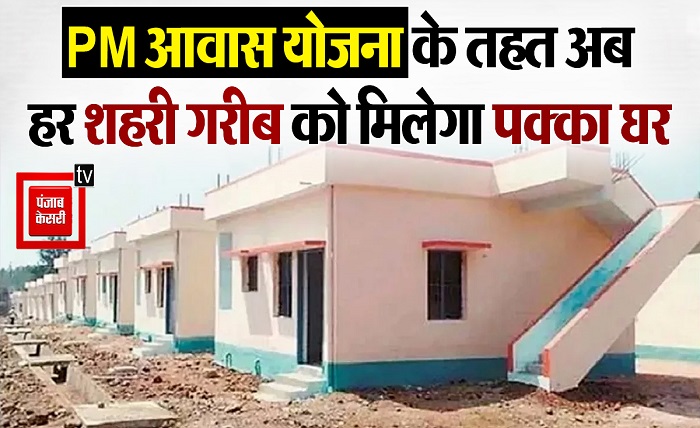
The pm awas yojana is one of India’s most impactful housing schemes designed to provide affordable homes to economically weaker sections, low-income groups, and middle-income families. Launched with the vision of “Housing for All,” the pm awas yojana aims to ensure that every eligible citizen has access to a pucca house with basic amenities such as electricity, water supply, sanitation, and cooking facilities. Over the years, the pm awas yojana has transformed millions of lives by reducing homelessness and improving living standards across both urban and rural India.
The primary objective of pm awas yojana is to bridge the housing gap in the country by offering financial assistance and interest subsidies on home loans. Through the Credit Linked Subsidy Scheme (CLSS), the pm awas yojana provides direct benefits to homebuyers, making homeownership more affordable. Whether you live in a metropolitan city or a remote village, the pm awas yojana ensures inclusive development and equitable housing opportunities.
What is PM Awas Yojana?
The pm awas yojana is a flagship housing initiative launched by the Government of India to provide affordable housing to all eligible beneficiaries by offering financial support and subsidies. The pm awas yojana operates under two major components: PMAY-Urban (PMAY-U) and PMAY-Gramin (PMAY-G), targeting urban and rural populations respectively.
Under pm awas yojana, beneficiaries receive financial assistance for constructing new houses or upgrading existing kutcha houses into permanent structures. The urban component of pm awas yojana focuses on slum rehabilitation, affordable housing in partnership, and beneficiary-led construction. Meanwhile, the rural component of pm awas yojana ensures that rural households living in dilapidated homes receive funding for safe and secure housing.
The mission behind pm awas yojana is not only to provide shelter but also to improve the overall quality of life by integrating housing with sanitation schemes, electricity access, and clean cooking initiatives. By combining multiple welfare programs, pm awas yojana creates a comprehensive approach to housing development.
Key Features of PM Awas Yojana
One of the most important features of pm awas yojana is the Credit Linked Subsidy Scheme, which offers interest subsidies on home loans to eligible beneficiaries. Under pm awas yojana, different income categories receive varying subsidy benefits, making housing loans significantly more affordable.
Another key feature of pm awas yojana is its focus on women empowerment, as ownership of houses under the scheme is often registered in the name of female family members. This aspect of pm awas yojana promotes gender equality and financial security for women.
The pm awas yojana also emphasizes environmentally sustainable construction techniques and encourages the use of modern technology. Through innovation and digital monitoring systems, pm awas yojana ensures transparency, accountability, and timely completion of projects.
Additionally, pm awas yojana integrates with other schemes like Swachh Bharat Mission and Saubhagya Yojana, ensuring that each house built under pm awas yojana has a toilet, electricity, and clean drinking water.
Eligibility Criteria for PM Awas Yojana
To benefit from pm awas yojana, applicants must meet certain eligibility criteria defined by the government. Under pm awas yojana, beneficiaries are categorized into Economically Weaker Section (EWS), Low Income Group (LIG), Middle Income Group I (MIG I), and Middle Income Group II (MIG II).
For urban applicants, pm awas yojana requires that the family should not own a pucca house anywhere in India. Similarly, rural beneficiaries under pm awas yojana must belong to households identified through the Socio-Economic Caste Census (SECC) data.
Income limits play a crucial role in determining eligibility for pm awas yojana. EWS households earning up to ₹3 lakh annually, LIG households earning between ₹3–6 lakh, and MIG categories with higher income brackets can avail benefits under pm awas yojana, depending on government notifications.
Furthermore, applicants under pm awas yojana must not have previously availed housing assistance from any other central government scheme. This ensures fair distribution of benefits under pm awas yojana.
Benefits and Subsidy Structure of PM Awas Yojana
The financial benefits of pm awas yojana make it one of the most attractive housing schemes in India. Under pm awas yojana, EWS and LIG beneficiaries can receive an interest subsidy of up to 6.5% on home loans for a tenure of up to 20 years.
For MIG I and MIG II categories, pm awas yojana offers interest subsidies of 4% and 3% respectively, subject to loan amount limits. This significantly reduces the overall EMI burden under pm awas yojana, making home loans more accessible.
Under the rural component of pm awas yojana, beneficiaries receive direct financial assistance to construct houses. The assistance amount under pm awas yojana varies based on geographical location, with higher funding allocated to hilly and difficult areas.
Another major benefit of pm awas yojana is the provision of basic amenities such as LPG connections, sanitation facilities, and electricity, ensuring that houses built under pm awas yojana are fully livable and sustainable.
How to Apply for PM Awas Yojana Online and Offline
Applying for pm awas yojana is a simple process that can be completed either online or offline. To apply online for pm awas yojana, applicants must visit the official PMAY website and select the relevant category based on their eligibility.
While applying for pm awas yojana, applicants need to provide details such as Aadhaar number, income information, family details, and bank account information. Accurate documentation ensures faster approval under pm awas yojana.
For offline applications under pm awas yojana, beneficiaries can approach Common Service Centers (CSCs), municipal offices, or Gram Panchayats. Officials assist applicants in completing the pm awas yojana registration process.
After submission, the application status of pm awas yojana can be tracked online using the assessment ID or Aadhaar number. Transparency in the tracking system makes pm awas yojana more reliable and user-friendly.
Documents Required for PM Awas Yojana
Proper documentation is essential to avail benefits under pm awas yojana. Applicants must submit identity proof such as Aadhaar card, voter ID, or PAN card while applying for pm awas yojana.
Income proof is mandatory for verification under pm awas yojana, especially for applicants seeking interest subsidies. Salary slips, income certificates, or IT returns are accepted documents for pm awas yojana applications.
Applicants under pm awas yojana must also provide property-related documents, including land ownership proof or house construction details. These documents help authorities verify eligibility for pm awas yojana.
Bank account details are necessary for receiving financial assistance under pm awas yojana, as subsidies and grants are directly transferred to beneficiaries’ accounts through Direct Benefit Transfer (DBT).
PM Awas Yojana Urban vs Rural: Key Differences
The pm awas yojana operates under two main segments: PMAY-Urban and PMAY-Gramin. While both aim to provide housing, the implementation strategies of pm awas yojana differ between urban and rural areas.
Under the urban component, pm awas yojana focuses on slum redevelopment, affordable housing projects, and home loan subsidies. Urban beneficiaries under pm awas yojana mainly benefit from CLSS and housing partnerships.
In contrast, the rural component of pm awas yojana emphasizes direct financial assistance for constructing new homes. Beneficiaries under rural pm awas yojana receive installment-based payments linked to construction progress.
Despite operational differences, the core mission of pm awas yojana remains consistent: ensuring safe, affordable, and sustainable housing for all eligible citizens.
Latest Updates and Future of PM Awas Yojana
The government continues to expand the scope of pm awas yojana by increasing funding and extending deadlines to ensure broader coverage. Recent updates in pm awas yojana include enhanced allocation for rural housing and faster subsidy disbursement processes.
Digital monitoring tools have strengthened transparency in pm awas yojana, reducing delays and ensuring efficient project implementation. Technology-driven solutions are helping the pm awas yojana reach beneficiaries more effectively.
With continued investment and policy support, the future of pm awas yojana looks promising, as it aims to eliminate housing shortages and improve infrastructure across India.
Conclusion
The pm awas yojana has emerged as a transformative housing scheme that addresses one of India’s most pressing challenges—affordable housing. By providing financial assistance, interest subsidies, and essential amenities, the pm awas yojana empowers families to achieve the dream of owning a home.
Through its urban and rural components, the pm awas yojana ensures inclusive development and equitable growth. With ongoing improvements and policy enhancements, the pm awas yojana continues to reshape India’s housing landscape and uplift millions of citizens.
If you are eligible, applying for pm awas yojana can be a life-changing step toward financial stability and improved living standards.
FAQs
1. Who can apply for pm awas yojana?
Any eligible Indian citizen belonging to EWS, LIG, or MIG categories who does not own a pucca house can apply for pm awas yojana, subject to meeting income and documentation requirements.
2. What is the interest subsidy under pm awas yojana?
Under pm awas yojana, EWS and LIG beneficiaries can receive up to 6.5% interest subsidy, while MIG categories receive 3–4% subsidy depending on income brackets.
3. How can I check my pm awas yojana application status?
You can check your pm awas yojana application status online by visiting the official website and entering your Aadhaar number or assessment ID.
4. Is pm awas yojana available in rural areas?
Yes, pm awas yojana includes a rural component known as PMAY-G, which provides financial assistance for constructing houses in rural areas.
5. Can I apply for pm awas yojana if I already own a house?
No, you cannot avail benefits under pm awas yojana if you or your family already own a pucca house anywhere in India.